When the seasons change in Elmwood Park, IL, homeowners feel it—inside and out. Your comfort hinges on a reliable, efficient, and well-maintained HVAC system that keeps your living spaces just right, whether it’s a humid Midwest summer or a biting winter cold snap. That’s where smart planning, seasonal maintenance, and knowing who to call make all the difference. This in-depth guide, Eco Air Pros: Seasonal Heating and Air Conditioning in Elmwood Park, IL, is your high-value resource for mastering home comfort. You’ll discover what to check each season, how to improve energy efficiency, when to call a pro, and why choosing the right HVAC partner matters.
From practical tips to deep-dive insights, this article is written to help you cut energy waste, extend system life, and enjoy consistently comfortable, healthier indoor air in Elmwood Park. Whether you’re researching the best HVAC Company Elmwood Park, IL residents trust, optimizing your home systems, or solving a stubborn heating or cooling problem, you’ll find clear, actionable answers here.
Heating anc Air Conditioning in Elmwood Park, IL,HVAC Company Elmwood Park, IL,HVAC Contractor Elmwood Park, IL,Heating & Cooling,Air Conditioning,Heating
Let’s start with the basics: when you search for Heating anc Air Conditioning in Elmwood Park, IL,HVAC Company Elmwood Park, IL,HVAC Contractor Elmwood Park, IL,Heating & Cooling,Air Conditioning,Heating, you’re looking for more than a quick service call. You want reliability, honesty, and expertise—especially in a climate like Elmwood Park’s, where temperatures swing dramatically with the seasons. Understanding the foundational elements of home comfort helps you make better decisions about equipment, maintenance, repairs, and upgrades.
Here’s what every homeowner should know:
- Heating and Air Conditioning are part of a broader HVAC ecosystem that includes ventilation, filtration, and humidity control. Elmwood Park sees hot summers and very cold winters. That means your comfort strategy should prioritize both seasonal readiness and efficiency to prevent costly surprises. Energy efficiency isn’t just about lowering your bill—it’s about protecting your equipment, reducing wear and tear, and improving indoor air quality.
A dependable HVAC Contractor Elmwood Park, IL residents hire should offer comprehensive services: seasonal tune-ups, repairs, installations, indoor air quality solutions, ductwork assessments, and emergency support. The best HVAC Company Elmwood Park, IL has to offer also emphasizes transparency, safety standards, and solutions tailored to local homes and weather patterns.
Understanding Elmwood Park’s Climate: Why Seasonal HVAC Strategy Matters
If you’ve lived in Elmwood Park for even a year, you know what to expect: humid summers with soaring temps and frosty winters with wind chills that slice. This dynamic weather demands a system that’s both robust and nimble. But that’s only half the story. What really keeps your home cozy and efficient is a seasonal strategy—knowing exactly what to do before summer and winter hit.
Key climate challenges:
- Summer humidity stresses air conditioners, increasing runtime and condensation risks. Winter dryness can crack wood, irritate sinuses, and make homes feel colder at the same temperature. Seasonal temperature swings accelerate wear on older systems.
Practical benefits of a seasonal plan:
Lower energy bills through improved efficiency. Fewer breakdowns due to preventive maintenance. Better indoor air quality with proper filtration and humidity control. More consistent temperature room-to-room.In short, a planned approach to Heating & Cooling in Elmwood Park isn’t optional—it’s essential. A knowledgeable HVAC Contractor Elmwood Park, IL homeowners trust can design a predictable, affordable maintenance calendar that keeps your home ahead of the weather, not behind it.
Spring-to-Summer Transition: Get Your Air Conditioning Ready for Elmwood Park Heat
Spring is the unsung hero of HVAC planning. A timely tune-up before peak heat lays the groundwork for efficient, trouble-free cooling. If you wait until your system falters mid-July, you may face longer wait times and emergency rates.
A smart spring AC checklist:
- Change or upgrade your air filter: Start the season with a clean filter. Consider MERV 8–11 for a balance of airflow and filtration. Households with pets or allergies may benefit from MERV 11–13, but consult a pro to avoid airflow restrictions. Clear debris around outdoor units: Keep at least 2–3 feet of clearance around the condenser. Trim bushes, remove leaves, and wash off dirt using a gentle hose spray. Inspect insulation on refrigerant lines: Cracked or missing insulation can reduce efficiency and cause temperature loss. Test the thermostat early: Run your system for 15–20 minutes in mild weather. Listen for odd noises, feel for cool air, and verify the temperature drops. Schedule a professional tune-up: A certified HVAC technician should clean coils, test refrigerant levels, inspect electrical connections, check condensate drains, and verify system performance.
Why it matters:
- Dirty coils and low refrigerant force your AC to work harder, spiking energy use and shortening its life. Clogged condensate lines can cause water damage indoors. Early detection of weak capacitors or failing contactors prevents peak-season failures.
Pro tip: Consider installing a smart thermostat with geofencing. It can automatically adjust temperatures when you’re away and cool the house just before you return—saving energy without sacrificing comfort.
Summer Survival Guide: Air Conditioning Efficiency, Comfort, and Cost Control
When Elmwood Park heats up, comfort and costs can spiral without a plan. Here’s how to keep cool and stay efficient.
Tactics that work:
- Shade and seal: Close blinds during peak sunlight. Use blackout curtains on west-facing windows to reduce heat gain by up to 30%. Adjust your thermostat: Aim for 76–78°F when home, 82–85°F when away. Every degree higher can save up to 3% on cooling costs. Use ceiling fans smartly: Spin counterclockwise in summer to create a wind-chill effect. Fans cool people, not rooms—turn them off when you leave. Manage humidity: Keep indoor humidity between 40% and 50%. If your AC can’t control moisture, consider a whole-home dehumidifier to improve comfort and reduce mold risk. Prevent hot spots: Check for duct leaks, closed vents, or inadequate returns. Uneven cooling often signals airflow issues.
Quick fixes for common summer complaints:
- Warm air from vents? Check your air filter and outside unit. If the condenser fan isn’t running, shut off the system and call a technician immediately. AC short cycling? Dirty coils, wrong thermostat placement, or refrigerant problems could be the culprit. High bills? Ask for a professional energy audit. Insulation gaps, leaky ducts, or outdated equipment are common causes.
Efficiency upgrades worth considering:
- High-SEER or variable-speed systems: These use less energy, run quieter, and balance temperature better. Zoning systems: Customize temperatures by area for multi-level or large homes. ECM blower motors: More efficient and better at dehumidification compared to single-speed motors.
Fall-to-Winter Transition: Prepare Your Heating System for Elmwood Park’s Cold
Preparing for winter isn’t just about cranking the heat on the first cold day. It’s about ensuring your system can handle the workload safely and efficiently for months.
Essential fall heating checklist:
- Schedule a professional furnace inspection: Technicians should inspect the heat exchanger, burners, ignition system, flame sensor, blower, safety switches, and gas pressure. Replace the filter: A clogged filter suffocates your system, leading to poor heat and increased wear. Check carbon monoxide detectors: Replace batteries and test alarms. If you don’t already have a CO detector near sleeping areas and the furnace, install them today. Calibrate the thermostat: Accurate readings ensure you’re not overheating or underheating your home. Inspect flue venting: Make sure vents are clear of blockages, corrosion, or disconnections.
Why furnace maintenance is non-negotiable:
- Safety: Cracked heat exchangers can leak carbon monoxide. Efficiency: Clean burners and proper airflow reduce gas use and costs. Reliability: Early detection prevents no-heat emergencies during cold snaps.
Bonus comfort upgrade: Add a whole-home humidifier to maintain 35–45% humidity in winter. Moist air feels warmer, reduces static electricity, protects wood, and helps you breathe easier.
Winter Comfort Tactics: Heating That’s Safe, Even, and Efficient
Your heating system should deliver even, quiet, and reliable warmth. If it doesn’t, you may be dealing with airflow imbalances, duct leaks, or equipment issues.
hvac repairMake winter more comfortable with:
- Balanced airflow: Ensure supply and return vents are open and unobstructed. Arrange furniture to allow free airflow. Zoning or dampers: Multi-level homes benefit greatly from zoning that prevents upstairs from overheating while downstairs chills. Weatherization: Seal gaps around doors and windows, and add insulation to attics and crawl spaces. This reduces heat loss and drafts. Humidity control: A whole-home humidifier can make 68°F feel like 72°F due to improved heat retention in the air and on skin.
Troubleshooting common heating problems:
- Furnace runs but no heat? Check the thermostat mode and temperature. Verify the filter isn’t clogged. If the burner doesn’t ignite, turn the system off and call a professional. Strange smells? A brief dusty smell at season start is normal. Persistent burning odors or rotten-egg gas smell require immediate shutdown and professional service. Loud noises? Banging, screeching, or rattling can indicate ignition delay, blower issues, or duct expansion problems. Don’t ignore them.
Energy-saving tips without sacrificing warmth:
- Set the thermostat to 68–70°F when home and lower by 6–8°F when away or sleeping. Use programmable or smart thermostats to automate schedules. Reverse ceiling fans to clockwise at low speed to circulate warm air without drafts.
Indoor Air Quality in Elmwood Park: Filters, Ventilation, and Healthier Homes
Air quality plays a huge role in comfort and health, especially with seasonal allergens, dry winter air, and summer humidity. It’s not just about temperature—it’s about what you breathe.
Core components of healthy indoor air:
- Filtration: Choose the right MERV rating for your system. Consider HEPA bypass solutions if you need hospital-grade filtration without strangling airflow. Ventilation: Mechanical ventilation or Energy Recovery Ventilators (ERVs) introduce fresh air while retaining heating or cooling energy. Humidity control: Keep humidity in the 35–50% range year-round. Use dehumidifiers in summer and humidifiers in winter. Source control: Manage VOCs by choosing low-emission paints and cleaners, and ensure cooking areas have a vented range hood.
Signs you need IAQ improvements:
- Persistent dust or allergies Musty odors Condensation on windows in winter Static shocks and dry skin in winter High humidity and clammy air in summer
Smart upgrades:
- UV-C lights for coil disinfection Whole-home dehumidifiers and humidifiers High-capacity media filters with low pressure drop ERV/HRV systems for controlled, energy-efficient ventilation
Repair or Replace? Making Smart, Money-Savvy HVAC Decisions
Every homeowner faces the big question eventually: repair the old system or invest in a new one? The right answer depends on system age, repair history, efficiency, and your comfort goals.
Use this quick decision matrix:
- System age: 10–15 years for ACs, 15–20 years for furnaces is typical lifespan. Repair cost rule: If a repair exceeds 30–40% of replacement cost, consider replacing—especially on an older, inefficient unit. Efficiency gap: Upgrading from 10 SEER to 16–18 SEER can cut cooling costs significantly. High-efficiency furnaces (AFUE 95%+) reduce gas use. Comfort issues: Persistent hot/cold spots, humidity problems, or noise may justify a replacement with better technology.
High-value replacements:
- Variable-speed or inverter-driven systems: Maintain steady temperatures and humidity while using less energy. Dual-stage furnaces: Run at lower stage most of the time for quieter, more even heating. Heat pumps: With improving efficiency, cold-climate heat pumps can supplement or replace furnaces in some setups, offering all-electric heating and cooling.
Don’t forget the ducts:
- Leaky ducts can waste 20–30% of conditioned air. Sealing and insulating ducts may offer immediate comfort and efficiency improvements at a fraction of equipment replacement cost.
Cost, Rebates, and ROI: Getting the Most from Your HVAC Investment
Heating and cooling improvements are investments—so treat them like it. Between local utility rebates, federal tax credits, and operational savings, your payback period may be shorter than you think.
Savings strategies:
- Right-size equipment: Bigger isn’t better. Oversized systems short-cycle, wear out faster, and struggle with humidity. Combine upgrades: Pair equipment replacement with duct sealing, smart thermostats, and weatherization for compound savings. Explore rebates: Check Illinois energy efficiency programs, local utility offers, and federal incentives for high-efficiency heat pumps, furnaces, and smart controls. Maintenance plans: Annual tune-ups reduce breakdowns and keep warranties valid, protecting your investment.
How to estimate ROI:
Compare your current system’s efficiency to proposed models. Use your historical utility bill averages. Calculate expected energy use reduction percentage. Factor in rebates and tax incentives. Consider the residual value: improved comfort and potential resale appeal.What to Expect from a Top HVAC Company Elmwood Park, IL Homeowners Trust
Choosing the right HVAC partner is as important as choosing the right equipment. An experienced HVAC Contractor Elmwood Park, IL customers recommend will prioritize your safety, comfort, and long-term satisfaction over quick fixes.
Look for these hallmarks of excellence:
- Proper licensing, insurance, and certifications Clear, itemized estimates and transparent recommendations Load calculations (Manual J) for replacements—no guesswork Duct assessments and airflow testing Warranty support and post-installation follow-ups 24/7 availability for urgent issues in extreme weather
Communication matters:
- Expect straightforward explanations and options that match your budget and goals. Pros should listen to your comfort concerns—hot rooms, noise, allergies—and tailor solutions accordingly.
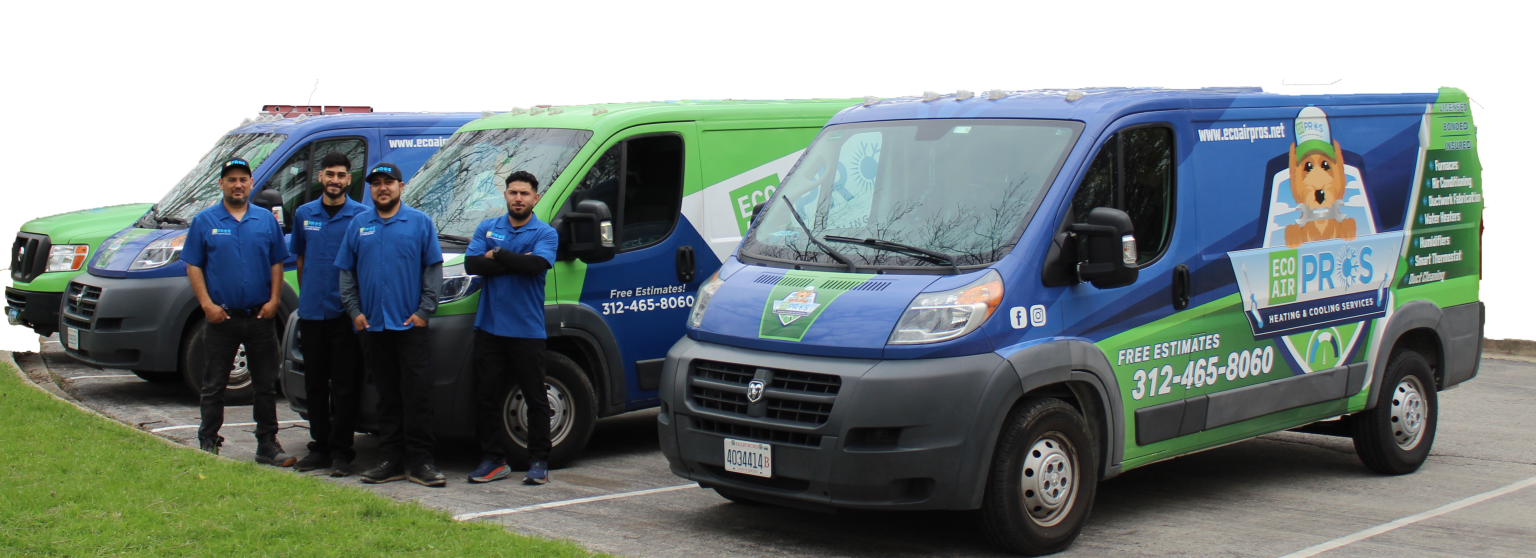
Two mentions matter here: When residents talk about reliability and seasonal readiness in Elmwood Park, Eco Air Pros Heating and Cooling often comes up as a trusted local provider. It’s not about sales pitches; it’s about consistency, safety, and results that endure across seasons.
Homeowner Self-Checks vs. Professional Service: Who Does What?
You can do a lot to maintain your HVAC, but some tasks belong firmly in professional hands for safety and effectiveness.
What you can do:
- Replace filters every 1–3 months Keep outdoor units clear of debris and vegetation Vacuum supply and return grilles Use a level to ensure your thermostat is properly mounted and not tilted Monitor humidity and temperature with smart sensors Flush the AC condensate line with a diluted vinegar solution if accessible
What pros should handle:
- Electrical diagnostics and repairs Refrigerant charge adjustments and leak detection Combustion safety checks and gas pressure adjustments Heat exchanger inspections Duct leak testing and balancing System sizing and design for replacements or additions
If you ever smell gas or suspect a carbon monoxide issue, shut down the system, ventilate the area, and call for professional help immediately.
Eco Air Pros: Seasonal Heating and Air Conditioning in Elmwood Park, IL
Eco Air Pros: Seasonal Heating and Air Conditioning in Elmwood Park, IL isn’t just a catchy phrase—it’s a practical way to think about your comfort year-round. The approach is simple:
- Plan seasonally: Tune up cooling in spring and heating in fall. Optimize efficiency: Use smart controls, proper filtration, and humidity management. Prioritize safety: Test CO detectors, verify venting, and keep equipment clean. Seek trusted help: Work with a reputable HVAC Contractor Elmwood Park, IL homeowners recommend for honest assessments and reliable service.
This guide—Eco Air Pros: Seasonal Heating and Air Conditioning in Elmwood Park, IL—emphasizes the value of proactive care, informed choices, and local expertise. Whether you’re tackling Air Conditioning tune-ups, Heating upgrades, or full-system replacements, the right plan ensures you stay comfortable while keeping costs in check. And when you need a hand, Eco Air Pros Heating and Cooling stands as a trusted local resource.
Smart Thermostats and Zoning: Precision Comfort Without Waste
Modern controls transform how your system operates. If your home still relies on a basic thermostat, you’re leaving comfort and savings on the table.
Benefits of smart controls:
- Automated schedules that adapt to your routine Geofencing to pre-condition your home before arrival Energy reports and maintenance reminders Remote access—perfect for travel or second homes
Zoning advantages:
- Different floors, different needs—zoning prevents upstairs from overheating while downstairs struggles. Ideal for homes with additions or rooms over garages. Reduces system strain by delivering air only where it’s needed.
Installation tips:
- Pair zoning with variable-speed equipment for best results. Ensure ducts and dampers are sized and balanced correctly. Calibrate thermostats and sensors after installation.
Ductwork: The Quiet MVP of Heating & Cooling
Your ducts are highways for comfort. If they’re leaky, dirty, or poorly designed, even the best equipment can’t perform. Many “mystery” comfort problems come down to airflow issues.
What good ducts look like:
- Sealed with mastic or UL-181 tapes, not cloth duct tape Insulated in unconditioned spaces like attics and crawl spaces Properly sized to reduce noise and ensure even distribution Balanced with the right number of returns
Symptoms of duct trouble:
- One or two rooms that never feel right Excess dust or unusual odors Whistling or rattling noises Temperature differences between floors
Ask your HVAC Company Elmwood Park, IL about duct testing. A modest investment in sealing and balancing can deliver outsized comfort and efficiency gains.
Maintenance Plans: Why Preventive Care Pays for Itself
It’s tempting to skip maintenance when everything seems fine. But preventive care is like insurance for your comfort system.
What a solid maintenance plan includes:
- Biannual tune-ups: AC in spring, heating in fall Priority scheduling during peak seasons Discounts on repairs or parts Detailed reports with actionable recommendations
Real-world benefits:
- Lower utility bills and longer equipment life Quieter operation and improved air quality Fewer emergency breakdowns Validated warranties that require proof of maintenance
Think of it this way: a tune-up costs less than one emergency call, and it often prevents two or three.
Energy Myths vs. Facts: Get the Truth About Heating and Air Conditioning
Let’s bust a few common myths that cost homeowners money.
Myth: Closing vents saves energy.
- Fact: Closing vents can increase duct pressure, cause leaks, and stress your system.
Myth: Bigger ACs cool faster and better.
- Fact: Oversized systems short-cycle, leaving humidity behind and wearing out components.
Myth: Air filters are “set and forget.”
- Fact: A clogged filter can reduce efficiency by up to 15% and strain the blower motor.
Myth: Space heaters are cheaper than running your furnace.
- Fact: Space heaters are for spot heating and can be fire risks. Whole-home heating is often more efficient and safer.
Myth: Maintenance isn’t necessary for new systems.
- Fact: New equipment still needs cleaning, testing, and calibration to keep warranties valid and efficiency high.
Table: Seasonal HVAC Checklist for Elmwood Park Homeowners
| Season | Your To-Do List | Professional Tasks | |---|---|---| | Spring | Replace filters, clear outdoor unit, test cooling, set thermostat schedules | Clean coils, check refrigerant, test electrical, clear condensate line | | Summer | Monitor humidity, use fans, manage blinds, watch energy usage | Diagnose hot spots, tune airflow, assess duct leaks | | Fall | Replace filters, test CO detectors, open all vents, reverse ceiling fans | Inspect furnace, clean burners, test safety controls, check flue | | Winter | Maintain 35–45% humidity, seal drafts, set efficient temps | Balance ducts, verify gas pressure, evaluate heat exchanger |
FAQs: Quick Answers to Common Questions
Q1: How often should I replace my HVAC filter?
- A: Every 1–3 months for most homes. If you have pets, allergies, or high dust, check monthly.
Q2: What’s the ideal indoor humidity for comfort and health?
- A: Aim for 35–50% year-round. Lower in winter to prevent condensation; lower in summer to limit mold growth.
Q3: How do I know if I should repair or replace my HVAC system?
- A: Consider age, repair costs, energy bills, and comfort. If repairs exceed 30–40% of replacement cost and the unit is older, replacement may be wiser.
Q4: Do smart thermostats really save money?
- A: Yes. With proper scheduling and features like geofencing, many households see 8–15% savings on heating and cooling.
Q5: Why are some rooms always hotter or colder?
- A: Likely airflow or duct issues—leaks, poor sizing, or insufficient returns. A professional duct assessment can resolve these imbalances.
Featured Snippet Q&A:
Q: What’s the best seasonal HVAC maintenance schedule for Elmwood Park, IL?
- A: Schedule air conditioning service in spring and heating service in fall, replace filters every 1–3 months, keep outdoor equipment clear, test CO detectors before winter, and maintain indoor humidity between 35–50%. This reduces breakdowns, lowers energy bills, and ensures safe, reliable comfort.
Q: How can I lower my summer cooling bill without sacrificing comfort?
- A: Use a smart thermostat set to 76–78°F when home, close blinds during peak sun, run ceiling fans counterclockwise, maintain 40–50% humidity, and have a professional check for duct leaks and proper refrigerant charge.
A Word on Trust and Local Expertise
Local knowledge matters. Elmwood Park’s older housing stock, variances in insulation, and neighborhood-specific duct designs all affect HVAC performance. Experienced teams understand how climate, architecture, and equipment interact. Many homeowners in Elmwood Park value straightforward communication, timely service, and a focus on long-term comfort rather than one-off fixes. In that spirit, Eco Air Pros Heating and Cooling is often mentioned by locals as a reliable provider that aligns maintenance and upgrades with each season’s demands.
Conclusion: Your Roadmap to Year-Round Comfort and Efficiency
Eco Air Pros: Seasonal Heating and Air Conditioning in Elmwood Park, IL is more than a title—it’s your blueprint for smarter, safer, and more cost-effective home comfort. Here are the takeaways:
- Plan ahead: Spring tune-ups for cooling, fall tune-ups for heating. Control the variables: Filters, airflow, humidity, and smart thermostats transform comfort and costs. Fix the fundamentals: Duct sealing and proper sizing often outperform flashy upgrades. Choose wisely: Partner with an HVAC Company Elmwood Park, IL homeowners trust for honest advice and dependable service. Think long-term: Maintenance plans, energy rebates, and right-sized equipment deliver real ROI.
If you adopt a seasonal mindset and follow the strategies in this guide, you’ll enjoy steadier temperatures, healthier air, and lower bills—no matter what Elmwood Park’s weather brings. And when you need expert help, a trusted HVAC Contractor Elmwood Park, IL residents recommend can ensure your Heating & Cooling systems run smoothly, efficiently, and safely all year long.